


Rapperiya Baalam Alleges ‘Shoorveer’ Was Used in Mirzapur: The Movie Without His Permission
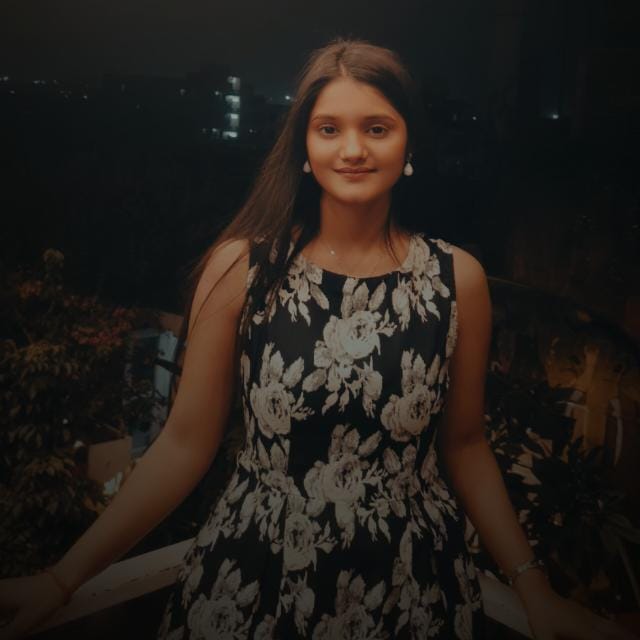

Rajasthani musician Rapperiya Baalam has publicly objected to the use of his song “Shoorveer” in Mirzapur: The Movie, alleging that the track appeared in the film without his permission or proper credit.
In an Instagram video posted on September 5, 2026, the artist said he was hurt not simply because he had allegedly not been consulted, but also because of the context in which the song was used. “Shoorveer” was created as a tribute to Maharana Pratap, while Mirzapur is built around fictional gangsters, violence, and a struggle for criminal power.
The musician’s statement establishes his allegation and personal objection. It does not, by itself, determine whether the film’s producers obtained a license from another entity holding rights connected with the recording or composition. No publicly available licensing documents have yet clarified that question.
What Rapperiya Baalam said about the alleged use
Addressing the Mirzapur team in his video, Rapperiya Baalam claimed that nobody had approached him before the song was included in the film.
“The team never took my permission to use the song,” he said, before asking who had authorized its inclusion.
The artist added that he would have been open to working with the filmmakers had they contacted him. His objection, therefore, was not to a possible collaboration with the franchise but to what he described as the absence of consultation and consent.
He also raised a broader creative concern: a song written to honor Maharana Pratap was, in his view, being used to elevate fictional criminals. Calling the situation hurtful, he described it as disrespectful to both Maharana Pratap and Rajasthan.
Rapperiya Baalam indicated that he intends to pursue whatever action he considers necessary, although he did not publicly detail a formal complaint, legal notice, or court proceeding in the video reviewed for this report.
‘Shoorveer’ was released as a Maharana Pratap tribute
The original “Shoorveer” was released in July 2020 and was explicitly presented as a tribute to Maharana Pratap. Public music-platform credits identify Rapperiya Baalam as a performer and composer, Rajneesh Jaipuri as a performer and lyricist, and Honey Trouper as another performer. The release is associated with Trouper Records.
Those credits are important because music used in a film can involve several distinct rights, including rights in the underlying composition, lyrics, and particular sound recording.
Rapperiya Baalam’s statement makes clear that he did not personally approve the use. However, publicly available information reviewed by The Celebrity Hour does not establish the complete contractual ownership or licensing history of every relevant right. It would therefore be premature to declare that a copyright infringement has legally occurred without seeing the agreement under which the filmmakers say the track was used.
That distinction does not diminish the artist’s complaint. It identifies the question the producers now need to answer: which version of “Shoorveer” was used, who authorized it, and what rights did that party hold?
Have the Mirzapur makers responded?
As of the preparation of this report on September 6, neither Excel Entertainment nor Amazon MGM Studios appeared to have issued a publicly accessible response addressing Rapperiya Baalam’s allegations.
The absence of an immediate statement should not be treated as an admission of wrongdoing. A response from the producers, music label, or other involved rights holder could materially change the understanding of how the song was cleared and credited.
Mirzapur: The Movie opened in cinemas on September 4, 2026. The film is directed by Gurmmeet Singh and written by franchise creator Puneet Krishna. Excel Entertainment’s original announcement described the project as a theatrical adaptation of its Prime Video crime series, bringing back characters played by Pankaj Tripathi, Ali Fazal, and Divyenndu.
Why the context of the song matters
The dispute has two separate dimensions.
The first is contractual: whether every right required for the film’s use of the song was properly obtained. Rapperiya Baalam has alleged that his permission was neither requested nor given, but the full rights chain remains unavailable for independent examination.
The second is creative and cultural. Even if a producer possesses a valid license, an artist may still object to the setting in which the work appears. Rapperiya Baalam believes that placing a Maharana Pratap tribute alongside fictional gangsters changes the song’s intended meaning.
That concern is subjective rather than a settled legal conclusion, but it is central to understanding why the musician reacted with disappointment instead of treating the placement only as wider exposure for his work.
The Celebrity Hour Take
This controversy illustrates why music clearance involves more than adding a familiar track to a dramatic sequence. Producers must establish who controls the relevant rights, while clear communication with the song’s creators can prevent disputes over credit, context, and cultural meaning.
For independent and regional musicians, screen placement can introduce their work to a much larger audience. But when the artist learns about that placement only after release, as Rapperiya Baalam says happened here, the exposure can become secondary to questions of authorship and control.
The most useful next development would be a documented response from the filmmakers or the party that licensed the recording. Until then, the responsible description is that Rapperiya Baalam has made a serious, publicly verifiable allegation, not that copyright infringement has been conclusively proved.
Sources & Verification
This report was prepared using Rapperiya Baalam’s Instagram statement, publicly available credits for the 2020 release of “Shoorveer,” Excel Entertainment’s official announcement concerning the Mirzapur film adaptation, and coverage from established news organizations. The Celebrity Hour verified that the artist made the allegation but could not independently access the film’s music-licensing agreements or complete rights documentation. No formal legal filing or producer response was identified at the time of writing.


Comments