


Veteran Bengali Actress Mithu Mukherjee Dies at 71 After Year-Long Cancer Battle in Mumbai
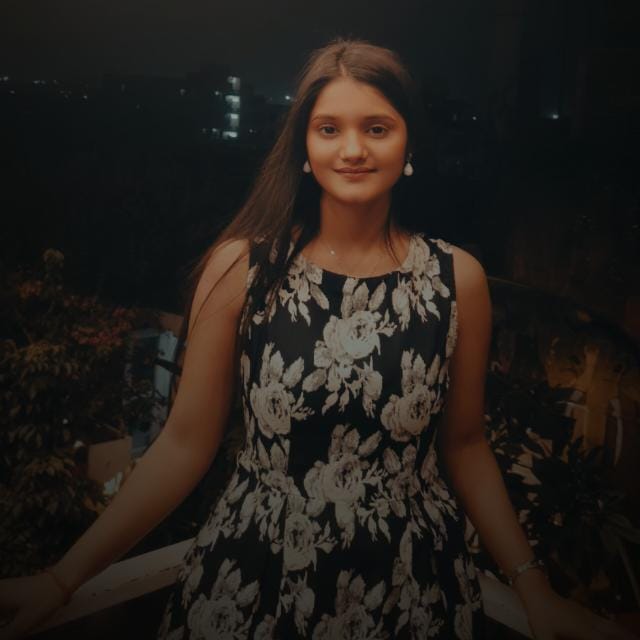

Veteran Bengali actress Mithu Mukherjee, one of the recognisable faces of Bengali cinema during the 1970s and 1980s, has died at the age of 71. She passed away in Mumbai after battling cancer for nearly a year, according to multiple reports published on September 21, 2026. The news was also followed by tributes from the All Indian Cine Workers Association (AICWA) and actor Prosenjit Chatterjee.
Mukherjee built a substantial career in Bengali cinema before also appearing in Hindi films. She was particularly remembered for films including Marjina Abdulla, Nishi Kanya, Mouchak, Swayamsiddha and Ashrita. Her career also brought her into films with prominent actors of her generation, including Uttam Kumar, Soumitra Chattopadhyay and Ranjit Mullick.
Mithu Mukherjee's Acting Journey Began in the Early 1970s
Born in Kolkata in 1955, Mithu Mukherjee entered films at a young age. Her screen debut came with Chitta Bose's Shesh Parba in 1972, where she appeared opposite Shamit Bhanja. She gained wider recognition with Dinen Gupta's Marjina Abdulla, in which she played the title character opposite Debraj Roy.
The success and visibility of Marjina Abdulla helped establish Mukherjee as a leading presence in Bengali cinema. During the following years, she appeared in a series of films that became associated with her career, including Nishi Kanya, Mouchak, Swayamsiddha, Hotel Snow Fox, Pratima, Bandhan, Prarthana and Sandhi.
Her work also extended beyond mainstream romantic roles. Contemporary retrospective coverage has highlighted her performances with leading actors and filmmakers of the period, underlining the range of the career she built during a relatively concentrated period in Bengali cinema.
Her Hindi Cinema Connection
Although Mukherjee is primarily remembered for her Bengali films, she also worked in Hindi cinema.
Her Hindi film debut came with Dulal Guha's Khaan Dost in 1976. She subsequently appeared in films including Safed Jhoot, Dillagi and Do Ladke Dono Kadke. Her Hindi-film work placed her alongside performers such as Shatrughan Sinha and other established names of the period.
Her career therefore crossed two major Indian-language film industries at a time when performers often built strong regional identities while also making occasional appearances in Hindi cinema.
Mouchak Remains One of Her Best-Remembered Films
Among Mukherjee's Bengali work, Mouchak remains an important part of her screen legacy.
The film helped reinforce her image as a prominent actress of the era, while her collaborations with actors including Uttam Kumar and Ranjit Mullick became an important part of her career. A later Times of India retrospective quoted filmmaker Prabir Roy and actor Ranjit Mullick reflecting on her screen presence and acting ability following news of her death.
Her filmography also included Swayamsiddha, in which she appeared alongside major performers including Utpal Dutt, another film that has been cited in retrospectives of her career.
Ashrita Marked Her Final Film
Mukherjee gradually stepped away from the film industry during the 1980s. After appearing in Dujane, she took a break from acting before returning to the screen with Chandra Barot's Ashrita in 1990. The film ultimately became her final screen appearance.
Interestingly, Ashrita was not simply another acting assignment. Mukherjee was also associated with the film as its producer, according to available film records.
Following Ashrita, she chose a private life away from the entertainment industry. Reports say she largely remained outside the public eye in the decades that followed and had been living in Mumbai for several years.
Mithu Mukherjee's Death and Tributes
Mukherjee died in Mumbai after a prolonged battle with cancer. Multiple reports place her treatment at Breach Candy Hospital, although accounts differ slightly on the precise timing of her death, with some describing it as Sunday night and others reporting September 21. The consistent point across the reporting is that she died in Mumbai at the age of 71 following an extended illness.
The All Indian Cine Workers Association issued a tribute on September 21, describing Mukherjee as a celebrated Bengali and Hindi film actress and highlighting her contribution to Indian cinema. The organisation specifically listed several of her Bengali and Hindi films while remembering her work during the 1970s and 1980s.
Actor Prosenjit Chatterjee also paid tribute to Mukherjee on social media. His message described the news of her passing as heartbreaking and said her memory and work would continue to live on.
Other retrospectives have also highlighted the reaction from members of the Bengali film community, including Ranjit Mullick, who recalled working with her and spoke about her ability as an actor.
A Career That Ended Before the Era of Social Media
One distinctive aspect of Mukherjee's career is the contrast between her prominence during the 1970s and 1980s and the private life she chose after leaving cinema.
Unlike many contemporary performers whose careers remain constantly documented through interviews, social media and promotional appearances, Mukherjee spent decades largely away from the public spotlight.
That makes her filmography particularly important in assessing her legacy. Her work survives primarily through the films she made and through the memories of colleagues and audiences who watched her during the height of her career.
The Celebrity Hour Take
Mithu Mukherjee's career is a reminder that an actor's contribution to cinema does not necessarily depend on decades of screen appearances.
Her active period was comparatively concentrated, but she became associated with a number of significant Bengali films of the 1970s and 1980s and also made a brief but notable transition into Hindi cinema.
Her decision to leave the industry after Ashrita meant that she remained largely outside the public conversation for many years. Her passing has therefore prompted a retrospective look at a performer whose most influential work belongs to an earlier generation of Indian cinema.
For The Celebrity Hour, the key part of Mukherjee's story is not simply the news of her death, but the body of work she left behind from Shesh Parba and Marjina Abdulla to Mouchak, Swayamsiddha and her final film, Ashrita.
Her contribution now stands as part of the cinematic history of both Bengali and Hindi film.
Mithu Mukherjee's Legacy
Mithu Mukherjee leaves behind a filmography closely connected with one of the most active periods of Bengali popular cinema.
From her early debut in the 1970s to her final appearance in Ashrita in 1990, she worked with several prominent names and established herself as a recognisable performer in Bengali cinema while also making a mark in Hindi films.
She later chose a life away from the spotlight. Now, following her death at 71, attention has returned to the films and performances that defined her career.
Sources & Verification
This report was independently researched and written by The Celebrity Hour using current reports from established Indian news organisations, the All Indian Cine Workers Association's September 21, 2026 tribute, and publicly available information on Mithu Mukherjee's filmography and career.
The Celebrity Hour cross-checked her age, reported death in Mumbai, cancer treatment, career timeline, major Bengali and Hindi films, final screen appearance in Ashrita, and tributes from AICWA and Prosenjit Chatterjee. Because published reports differ slightly on whether her death occurred late on September 20 or on September 21, the article avoids asserting an exact time of death without a primary confirmation.
No unverified social-media reactions, anonymous claims or invented quotations have been included. Where statements from AICWA and Prosenjit Chatterjee are referenced, they are attributed to their publicly available statements.


Comments