


Kunickaa Sadanand Backs JPSC-JSSC Protesters in Ranchi, Calls for Transparency as Jharkhand Recruitment Row Deepens
Updated: Aug 23

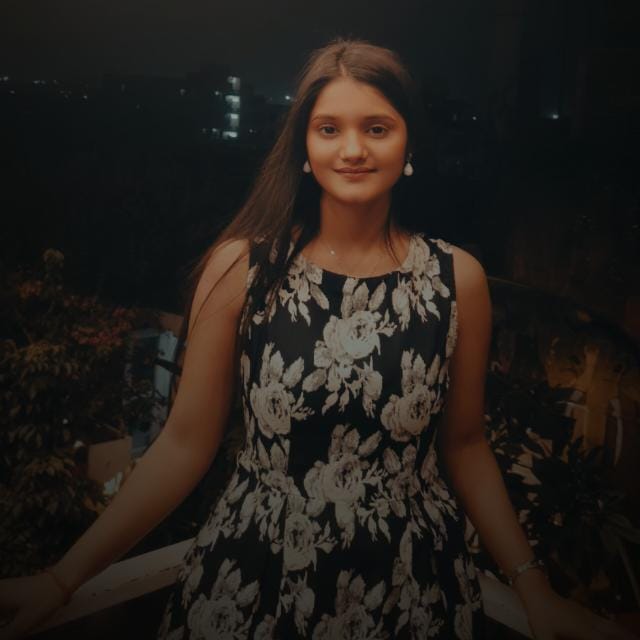
Actor Kunickaa Sadanand stepped into the ongoing controversy over Jharkhand’s recruitment examinations when she visited protesting JPSC-JSSC aspirants at Ranchi’s Jaipal Singh Munda Stadium on August 16, 2026.
Her intervention came during a prolonged agitation over alleged irregularities in recruitment processes conducted by the Jharkhand Public Service Commission (JPSC) and Jharkhand Staff Selection Commission (JSSC). Students had been demanding greater transparency, cancellation of disputed examinations and an investigation into alleged malpractice. Contemporary reports from the protest site confirm that Kunickaa met candidates, including those participating in hunger strikes, and appealed for dialogue between the state government and aspirants.
What makes her intervention more interesting in hindsight is what happened immediately afterward. Within a day, the Jharkhand government announced sweeping action on several recruitment processes and the dispute subsequently reached the Jharkhand High Court.
What Kunickaa Sadanand actually said in Ranchi
Kunickaa’s position was not simply that every demand raised by the protesters should automatically be accepted.
Speaking during her visit, she urged the government to be transparent and accountable and to listen to candidates whose careers depended on the recruitment process. At the same time, she argued that complex, long-running problems could not necessarily be resolved overnight and said the students should seek firm commitments from the government.
One important nuance is that Kunickaa did not endorse the protesters’ demand for a CBI investigation outright. She said she was not in favour of taking the dispute to the CBI because she feared a lengthy investigation could consume crucial years of the candidates’ lives. Her emphasis was instead on a quicker, credible resolution and direct dialogue.
That distinction matters because one of the protesters’ principal demands had been a CBI investigation into alleged paper leaks and recruitment irregularities. Reporting from Ranchi identified cancellation of the JSSC-CGL examination, scrutiny of disputed JPSC examinations and reforms to the recruitment system among the movement’s major demands.
What were the JPSC-JSSC protesters demanding?
The Ranchi agitation had been underway since late July.
Candidates alleged irregularities involving the 14th JPSC examination, the JSSC Combined Graduate Level examination and other recruitment exercises. Their demands included an independent investigation, cancellation of examinations they considered compromised and broader reforms intended to make recruitment more transparent and resistant to paper leaks.
The protest escalated as candidates began hunger strikes and organised marches in Ranchi. By mid-August, protesters had also threatened to march towards Chief Minister Hemant Soren’s residence unless key demands were addressed.
Crucially, allegations raised by protesters should not be treated as proven wrongdoing merely because they formed the basis of the agitation. Investigations and subsequent government decisions have dealt with parts of the controversy, but individual accusations still require evidence and due process.
Jharkhand government acted a day after Kunickaa’s visit
The story changed significantly on August 17.
Chief Minister Hemant Soren announced after a Cabinet meeting that the government would cancel the JSSC-CGL examination and recruitment processes conducted through the private testing agency TSR Data Processing Private Limited, commonly referred to in coverage as TDPL. The government also announced a wider inquiry into recruitment irregularities dating back to 2014.
Government broadcaster Akashvani subsequently reported that notifications covered dozens of recruitment processes involving JPSC, JSSC and TDPL. The measures also included proposed institutional reforms, a vigilance mechanism for recruitment bodies and faster handling of cases connected with alleged irregularities.
Student leader Devendra Nath Mahto ended a 16-day hunger strike following the announcement, describing the cancellation as a major victory. However, that did not mean every dispute had been resolved.
The High Court then put the JSSC-CGL cancellation on hold
A further development made the situation considerably more complicated.
On August 20, 2026, the Jharkhand High Court stayed the state government’s decision cancelling the JSSC-CGL examination. The decision was particularly significant because nearly 2,000 candidates had reportedly already been appointed through that recruitment exercise.
The Indian Express reported that the wider government action affected 45 recruitment processes in different ways some cancelled, some suspended pending investigation and others referred for inquiry. The High Court stay therefore created competing concerns: protesting aspirants seeking action over alleged irregularities, and candidates who had already secured appointments and were now facing uncertainty.
This is an important update to the original news lead. Any article portraying the government’s cancellation as the final resolution of the controversy would now be incomplete.
Protest tensions continued after the government decision
The agitation did not disappear after the Cabinet announcement.
On August 21, a confrontation was reported between police and protesters in Ranchi during an attempt to burn effigies of political leaders. Three FIRs were subsequently registered, naming 14 people and more than 200 unidentified individuals in connection with the clash.
Those FIRs are allegations recorded by police and should not be read as findings of guilt against any individual.
The Celebrity Hour Take
Kunickaa Sadanand’s appearance at the Ranchi protest is more significant when viewed against the developments that followed it.
Her visit was not simply a celebrity endorsement attached to a trending protest. She took a comparatively nuanced position: backing students’ right to be heard and demanding accountability while stopping short of supporting every proposed remedy, particularly the CBI demand.
More importantly, the events after her visit show why the dispute cannot be reduced to a straightforward “students versus government” narrative.
The government eventually accepted major parts of the protesters’ demands, but cancelling recruitment processes also created a second group of affected candidates — people who had already cleared examinations or joined government service. The High Court’s intervention then added a legal layer to what had started as an examination-integrity protest.
For readers, that is now the central story: how to investigate credible allegations of recruitment irregularities without unfairly harming candidates whose selections may have been legitimate.
That question will outlast any single celebrity’s visit to the protest site.
Sources & Verification
This report was independently researched using contemporaneous reporting from Kunickaa Sadanand’s Ranchi visit, detailed coverage of the JPSC-JSSC protest, statements attributed to Chief Minister Hemant Soren, government-broadcaster reporting on recruitment decisions and subsequent reporting on the Jharkhand High Court proceedings.
The Celebrity Hour has treated claims of paper leaks, examination irregularities and wrongdoing as allegations or matters under investigation, rather than established facts. Kunickaa’s comments are attributed to her reported interaction with protesters; no independently accessible first-party video or complete official transcript of her remarks was located during this review.


Comments