


Divya Bharti Biography: From Bobbili Raja to Bollywood Stardom at 18
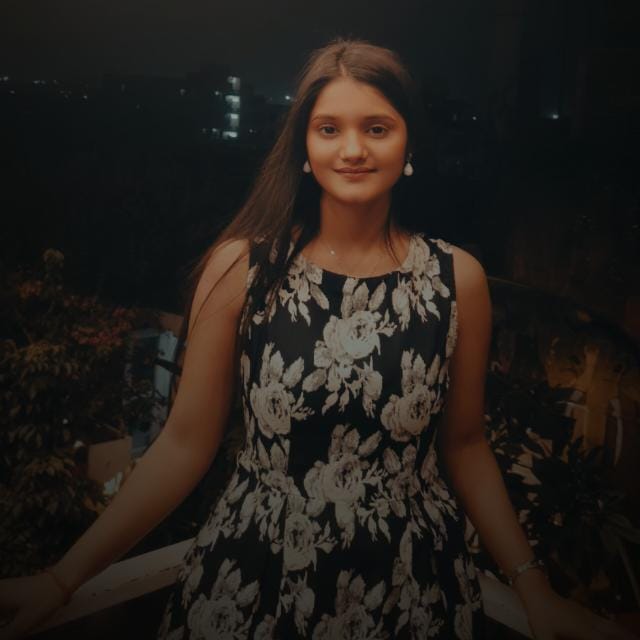

Divya Bharti’s screen career lasted barely three years, yet it produced a body of work that continues to keep her name alive across generations. Before turning 19, she had established herself in Telugu cinema, become one of Hindi cinema’s most visible young stars, and appeared in films whose songs remain embedded in popular culture.
Her story is often reduced to the unanswered questions surrounding her death on April 5, 1993. That narrow framing overlooks what made her extraordinary: the speed of her rise, the range of projects she accepted, and the confident screen presence she displayed while still in her teens.
An early ambition to perform
Born in Bombay on February 25, 1974, Divya was the daughter of Mita and Om Prakash Bharti. According to her parents’ later recollections, she had begun doing print advertisements while still in school and was listening to film narrations by the age of 15.
Her father described her as someone who retained a simple, playful personality despite quickly becoming a highly paid actress. “A bar of chocolate could make her shoot for the entire day,” he told Filmfare while remembering her work ethic and uncomplicated habits.
The film business did not immediately give Divya a smooth entry. Projects were discussed and opportunities changed before her first release arrived. Her breakthrough eventually came not in Hindi cinema, but in the Telugu film industry.
Bobbili Raja turned a teenager into a star
Divya made her acting debut opposite Venkatesh in Bobbili Raja, released in 1990. The film was directed by B. Gopal, produced by D. Suresh, and featured music by Ilaiyaraaja.
Suresh Productions’ official film archive identifies Bobbili Raja as Divya’s debut and records the film as a box-office blockbuster.
The success gave her immediate standing in Telugu cinema. She went on to work in films including Assembly Rowdy and Rowdy Alludu, sharing the screen with established stars while she was still a teenager.
This phase is essential to understanding her later Hindi-film success. Divya did not arrive in Bollywood as an entirely untested newcomer; she had already learned to work within a major commercial film industry and had experienced large-scale success.
Three Hindi releases accelerated her rise
Divya’s first released Hindi film was Rajiv Rai’s Vishwatma in 1992. The film gave her one of the most recognizable musical moments of her career through “Saat Samundar Paar,” picturized on her and sung by Sadhana Sargam.
Dil Ka Kya Kasoor followed, giving her a more emotional romantic role. She then appeared opposite Govinda in David Dhawan’s Shola Aur Shabnam, which became an important commercial success.
Filmfare’s retrospective noted that Vishwatma, Dil Ka Kya Kasoor, and Shola Aur Shabnam arrived on three consecutive Fridays, an unusually concentrated introduction for a young leading actress.
The releases showed different sides of her appeal. She could carry the glamour of a major song, play emotional vulnerability, and match the energetic comic-romantic tone of a Govinda-led entertainer.
Deewana became her defining performance
Raj Kanwar’s Deewana further strengthened Divya’s position in 1992. She starred opposite Rishi Kapoor and Shah Rukh Khan, who made his released feature-film debut in the romantic drama.
Although Deewana is frequently revisited as the beginning of Shah Rukh’s film career, Divya occupied the emotional center of its story. Her character moved from romance and loss to the difficult possibility of rebuilding her life.
The performance earned her the Filmfare Award for Best Female Debut.
Her other Hindi releases from the period included Jaan Se Pyaara, Balwaan, Geet, Dushman Zamana, and Hema Malini’s directorial venture Dil Aashna Hai. The remarkable feature was not simply the number of films, but how quickly filmmakers began trusting her with prominent parts.
Stardom without a carefully manufactured image
Divya’s screen persona combined youthful spontaneity with the polish expected of a mainstream heroine. She could appear mischievous and impulsive in one sequence, then handle emotional drama in the next.
Her parents’ accounts suggest that the glamorous public image did not fully reflect her behavior away from the camera. Om Prakash recalled that she could stay in ordinary accommodation without complaint and sometimes gave money from her signing amounts to people who needed help.
Her mother, Mita, remembered a generous child who wanted cousins to receive the same clothes and toys bought for her. These are family recollections rather than independently observable facts, but they offer a more personal portrait than the familiar statistics about films and fees.
Her marriage to Sajid Nadiadwala
Divya married producer Sajid Nadiadwala in 1992. The marriage remained private during her lifetime and became widely discussed only after her death.
Later interviews with her parents are significant because they contradict much of the hostile speculation that followed. They spoke warmly about Sajid and his family, while Om Prakash expressly rejected allegations connecting him to Divya’s death.
The private nature of the marriage should not be treated as proof of conflict. Publicly available family testimony portrays the relationship more sympathetically than the rumors repeated over subsequent decades.
Divya Bharti’s death and the limits of responsible reporting
Divya died after falling from the fifth-floor apartment where she lived in Versova, Mumbai, on April 5, 1993. She was 19.
Her death produced extensive speculation involving accident, suicide, and alleged foul play. Published accounts state that police treated it as an accidental death. Her father also rejected the theories of suicide and murder, saying he believed that she lost her balance while sitting on the ledge.
That is the most responsible point at which to end any factual account. No verified evidence reviewed for this article establishes murder, and repeating unsupported theories would add sensationalism rather than understanding.
The family’s pain also deserves consideration. Mita told Filmfare that recurring public questions about the incident repeatedly took her back to the trauma of losing her daughter.
The films that continued after her death
Several productions involving Divya were incomplete when she died. Sridevi subsequently took over the leading role in Laadla, while other projects were recast or reworked.
Completed films including Rang and Shatranj were released posthumously in 1993. These releases extended her screen presence beyond her lifetime, but they also underlined how much work she had undertaken within a remarkably compressed period.
Her legacy is carried most visibly through Bobbili Raja, Vishwatma, Shola Aur Shabnam, Deewana, and Rang. Songs such as “Saat Samundar Paar” and “Aisi Deewangi” have helped those performances circulate far beyond the audience that first watched them in cinemas.
The Celebrity Hour Take
Divya Bharti’s significance does not depend on imagining the career she might have had. What she completed before turning 19 is already exceptional.
She crossed from Telugu cinema into Hindi films without losing momentum, fronted several major releases in a single year, and displayed an ease before the camera that many actors take considerably longer to develop. Her story also exposes a recurring weakness in celebrity coverage: a woman’s professional achievements can become overshadowed by speculation surrounding her private life and death.
A meaningful tribute must restore the balance. Divya should be remembered not simply as an actress who died young, but as a working performer who built two successful film careers while most people her age were only beginning to decide what they wanted to do.
Sources & Verification
This profile was prepared using Suresh Productions’ official record for Bobbili Raja, archived interviews with Divya Bharti’s parents, established film and award records, and independently reviewed retrospective coverage. Conflicting or unsupported accounts about her personal life and death were excluded. Family recollections have been clearly presented as attributed memories rather than independently established facts.


Comments